
Contents
Do you want to update your living room or bedroom effectively? Just wallpaper your walls. Want to do it quickly and easily? Choose non-woven wallpaper!
Non-woven wallpaper was developed at the end of the 20th century as a modern, functional wall decoration solution. It first spread in Europe, where it was appreciated for its easy installation and practicality.

Non-woven wallpaper is made from a non-woven base composed of compressed fibers, most commonly cellulose and textiles, combined with polymer binders. This combination of materials gives the wallpaper strength, flexibility, and makes it easy to install.
The base of the wallpaper is porous, allowing walls to breathe and reducing the risk of mold formation. A key feature of non-woven wallpaper is that the adhesive is applied directly to the wall rather than to the wallpaper itself, which significantly simplifies installation. It does not shrink or stretch, ensuring a high-quality final result.
These wallpapers can also be painted multiple times, allowing you to refresh your interior without much effort. Due to their strength and resistance to damage, non-woven wallpapers are more durable than paper ones. In addition, their wide variety of designs allows you to choose from many patterns, textures, and colors.
Wall preparation for applying non-woven wallpaper
Non-woven wallpaper can be applied to various surfaces. Specialists recommend properly preparing the wall beforehand. The wallpaper should be applied to plastered and sanded walls. Non-woven wallpaper may have a texture that can slightly conceal surface imperfections.
Before application, the wall should be primed. The type of primer depends on the surface: deep-penetrating, strengthening primers are used for soft surfaces, while adhesion-enhancing primers are used for smooth or slippery surfaces.
Adhesive for non-woven wallpaper
Adhesives used for non-woven wallpaper are designed to support heavier materials. They can come ready to use or in powder form for mixing.
Most commonly, dry adhesives are used. The adhesive powder should be gradually poured into a container of water while continuously stirring slowly. If all the powder is added at once, lumps will form.
After adding and mixing the powder, the adhesive should be left to stand for about 5 minutes to swell, then mixed thoroughly again. Prepared wallpaper adhesive can remain usable for several days if stored in a sealed container.
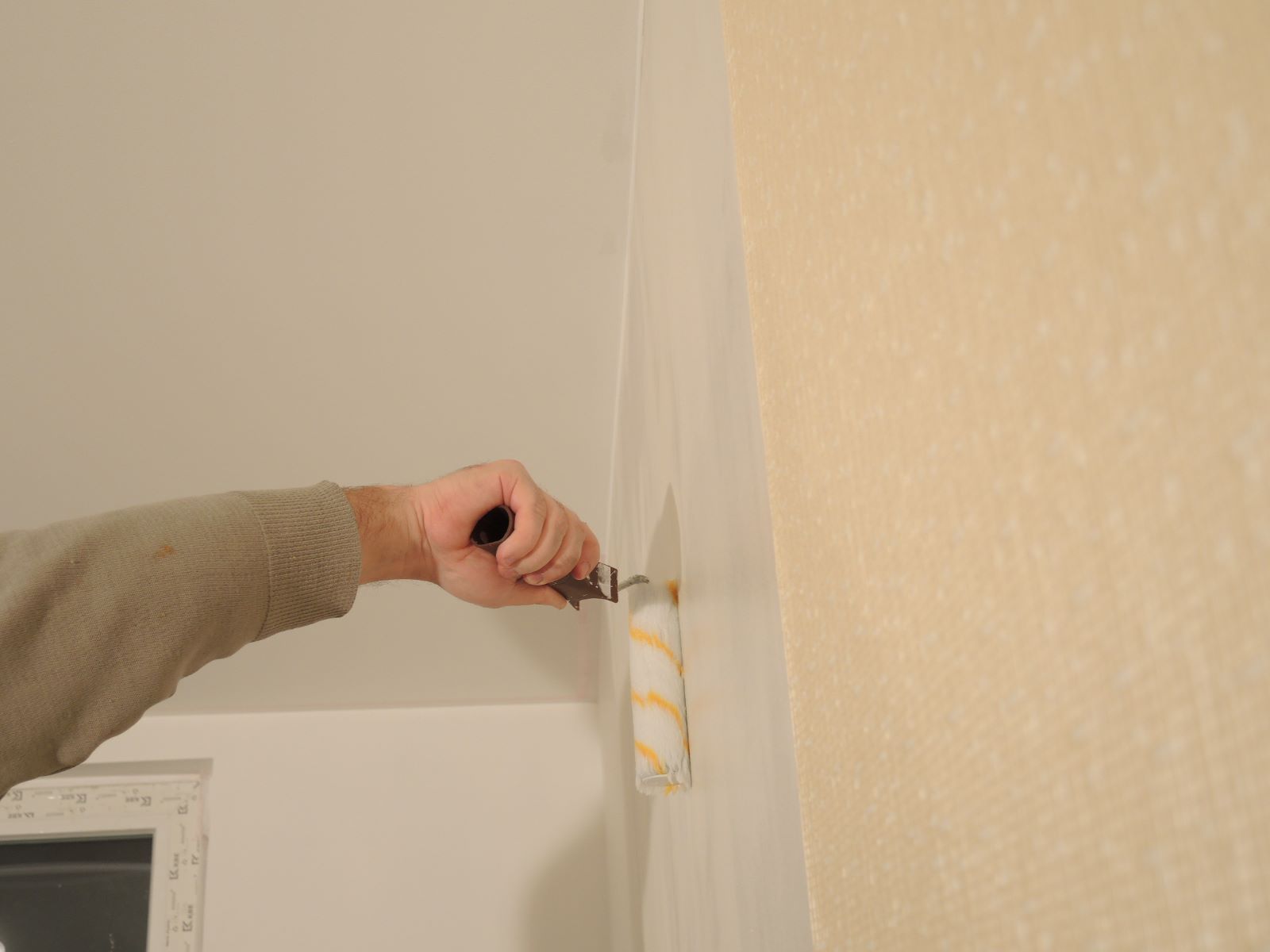
The adhesive is applied to the prepared wall using a roller. It is best to apply it in two directions—horizontally and vertically.
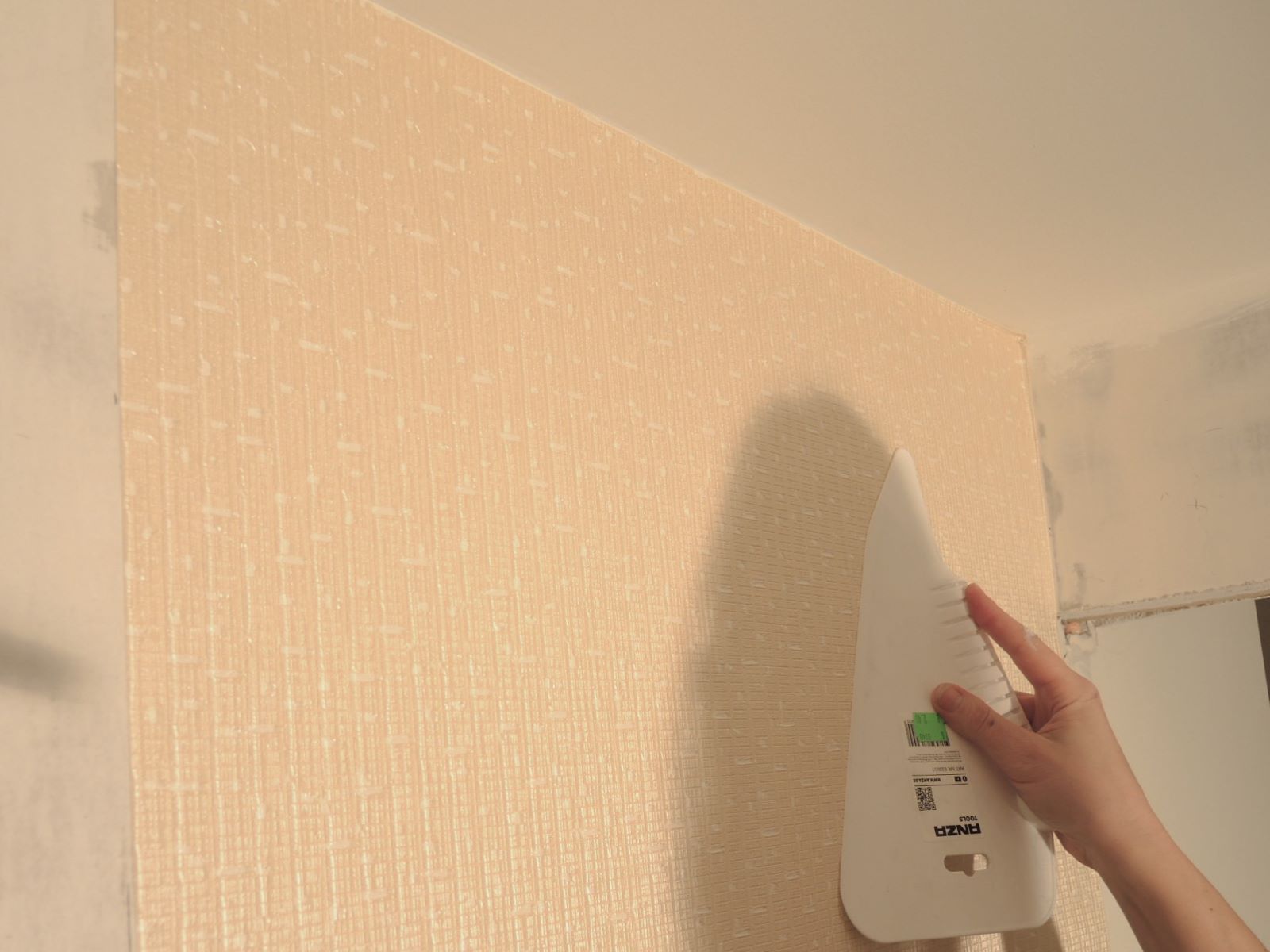
The wallpaper is applied from the top, pressing it along the ceiling line.
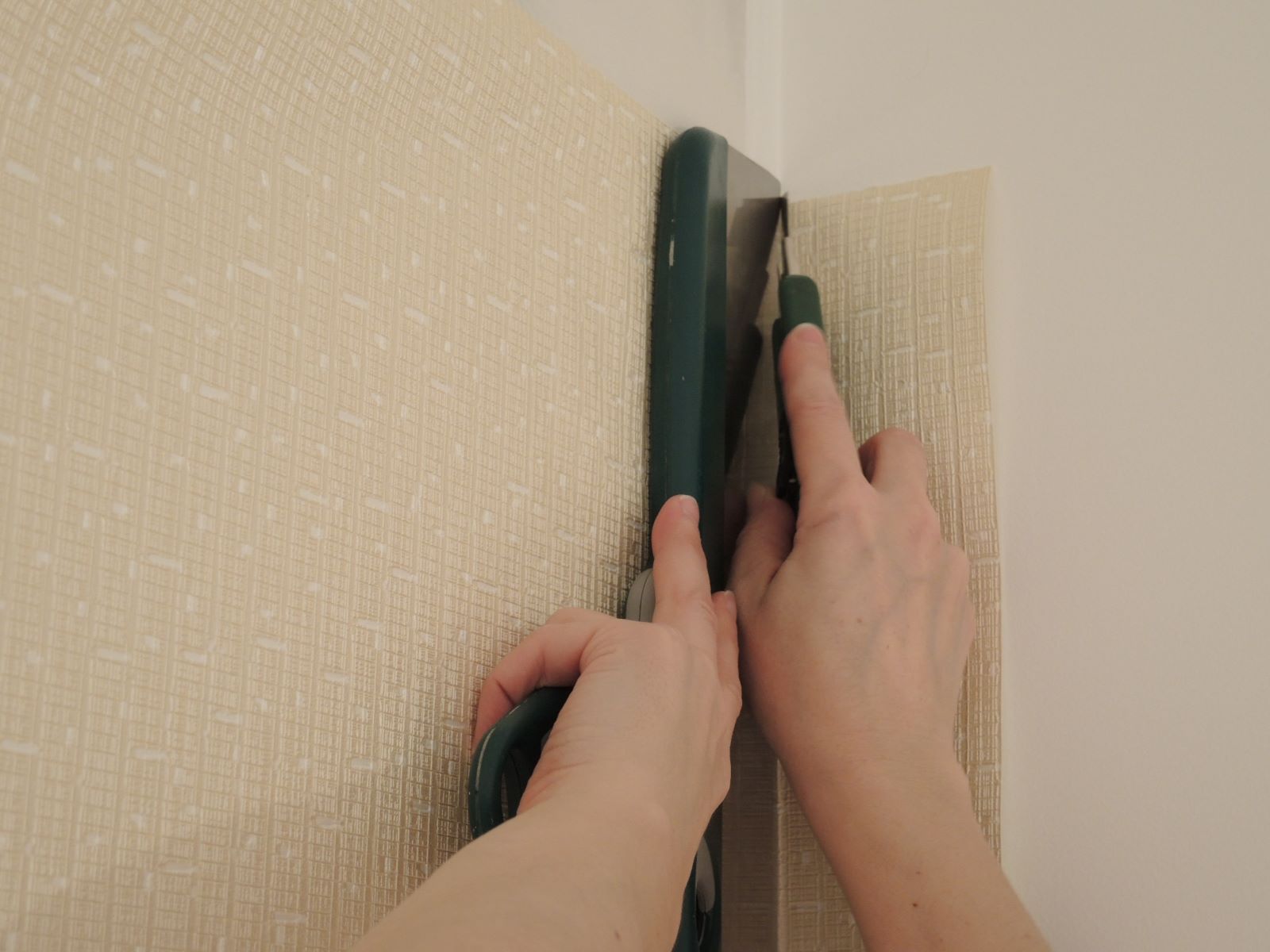
The next strip of wallpaper should be aligned by matching it to the pattern of the already applied strip, and only then cut. After positioning the wallpaper in the correct place, it should be trimmed using a sharp knife, preferably one with replaceable blades.
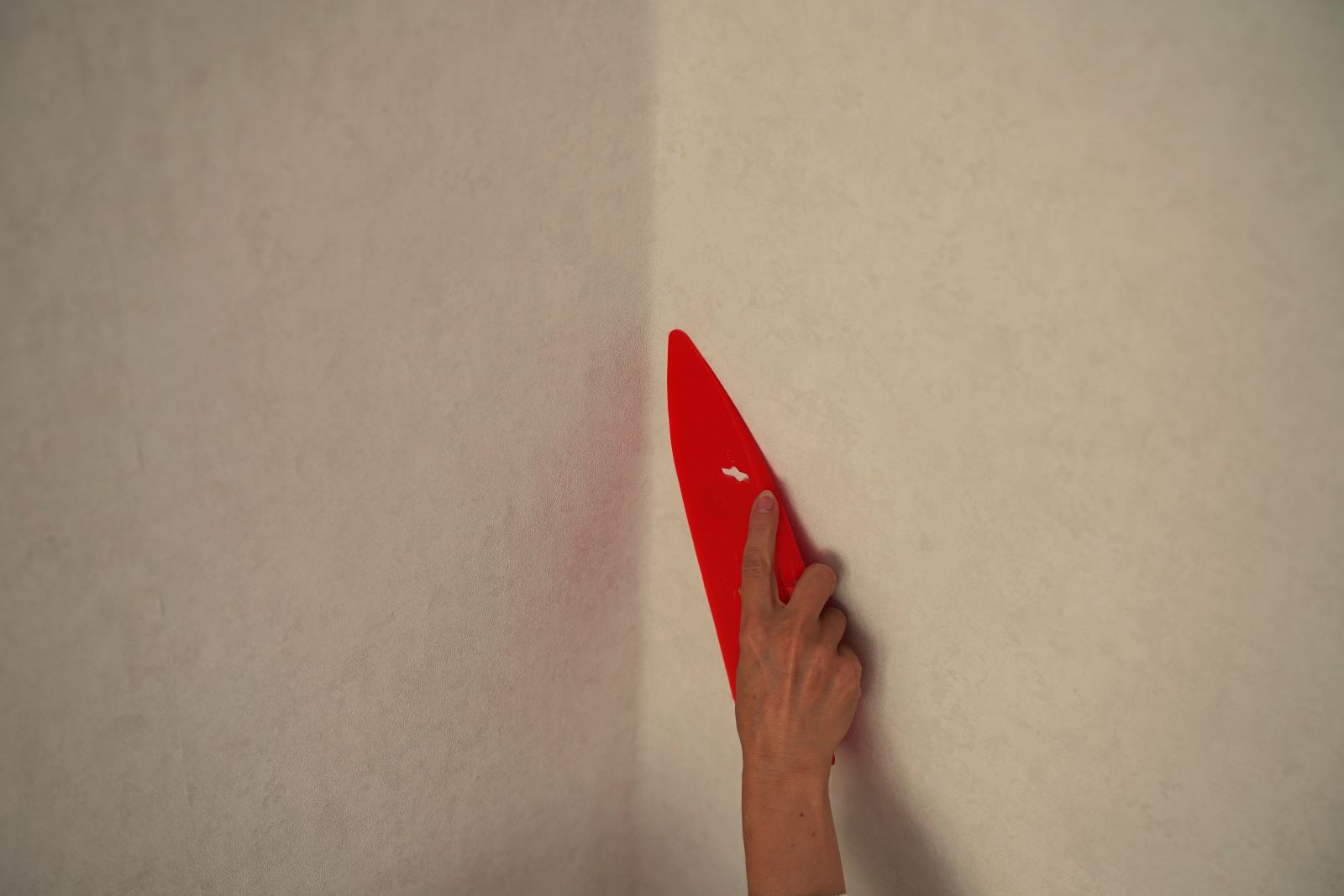
Using a special smoothing tool, press the wallpaper and remove any air bubbles. Start by smoothing downward, then move toward the sides.
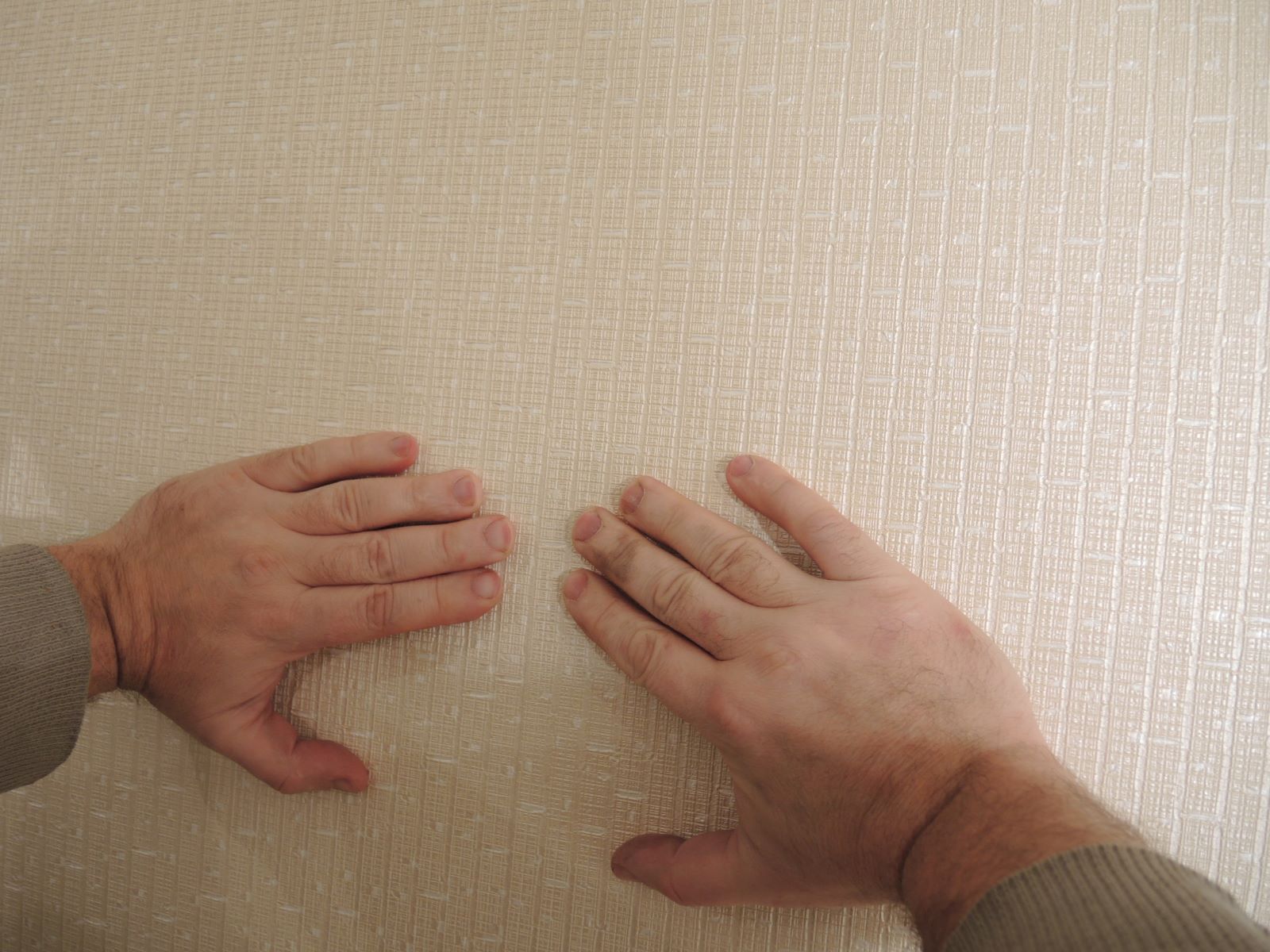
Two adjacent strips of wallpaper should be brought together so that the seam slightly overlaps. However, this is not strictly necessary, as the wallpaper does not shrink. The edges of the wallpaper must never be overlapping more than necessary. At this stage some imperfections can be flattened with the smoothing tool.
Applying wallpaper in corners and around electrical boxes
One of the more challenging areas when applying wallpaper is corners, electrical outlets, and various other obstacles. It is best to prepare corners so that they are perfectly vertical and even. Non-woven wallpaper has some flexibility, allowing it to be smoothly applied even on uneven corners. However, a better solution is to create a butt joint (a seam where edges meet precisely).
Press the wallpaper into the corner. Beyond the bend, the wallpaper should slightly overlap (1–3 cm). Then apply the top strip of wallpaper. Before the applied wallpaper dries, cut a line through both layers, then remove the trimmed strip from the top layer.
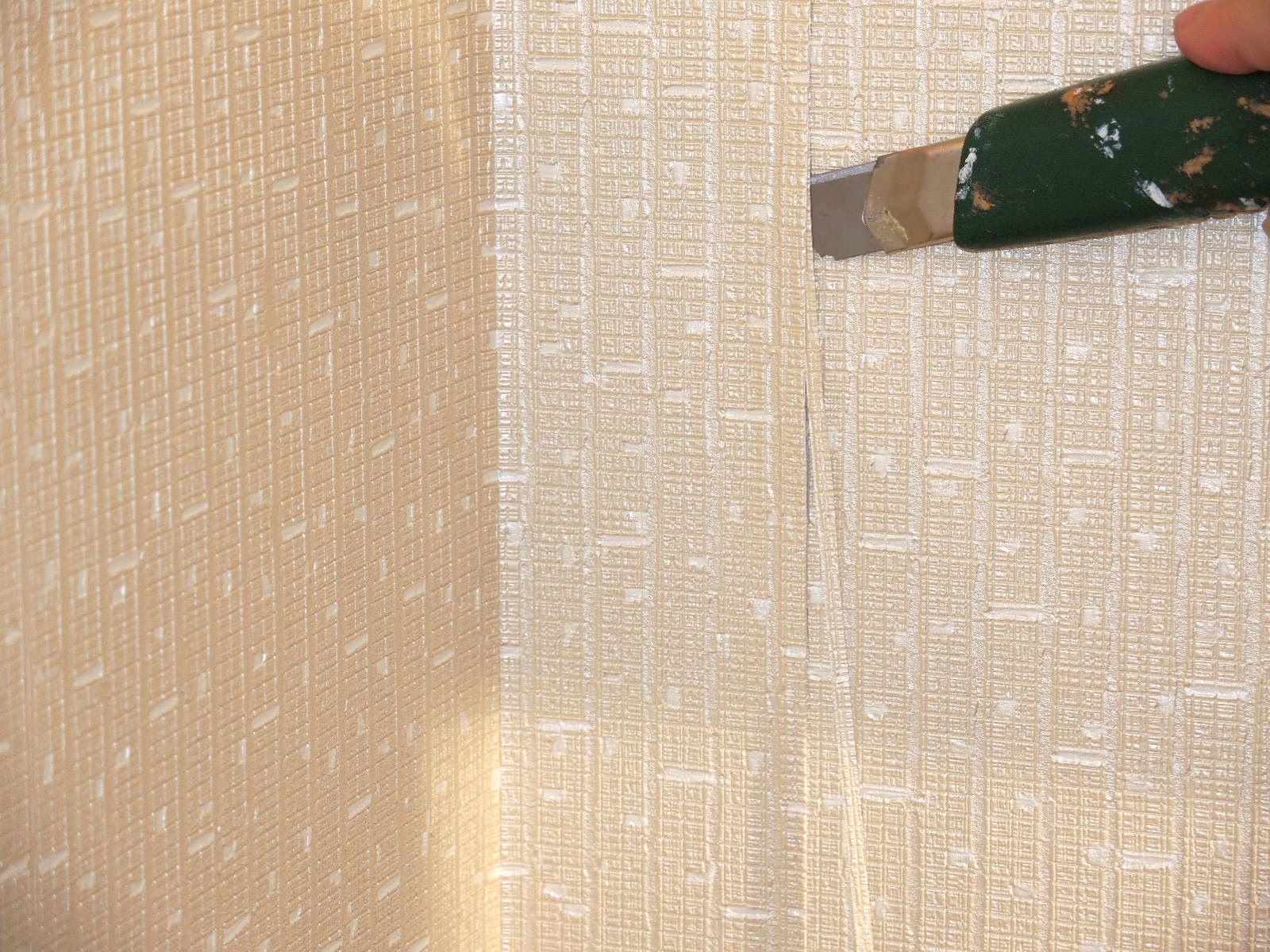
Remove the trimmed strip from the bottom layer and bring the edges together. This will create a perfect seam.
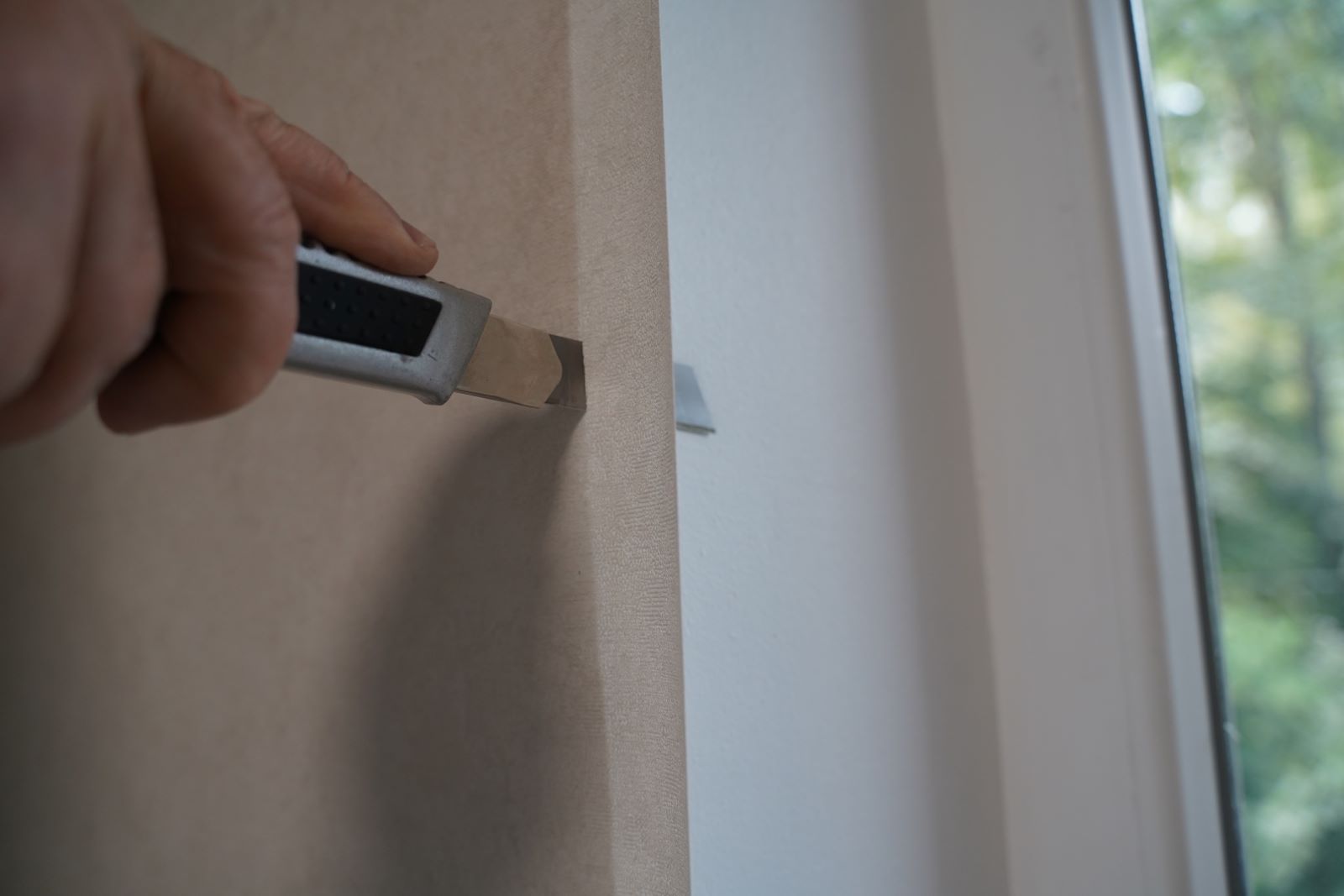
The wallpaper is trimmed along the edges of the window reveal.
For electrical outlets, cut the wallpaper in an X shape across the electrical outlet area, from corner to corner. The same method can be used around ventilation openings and other fixtures.
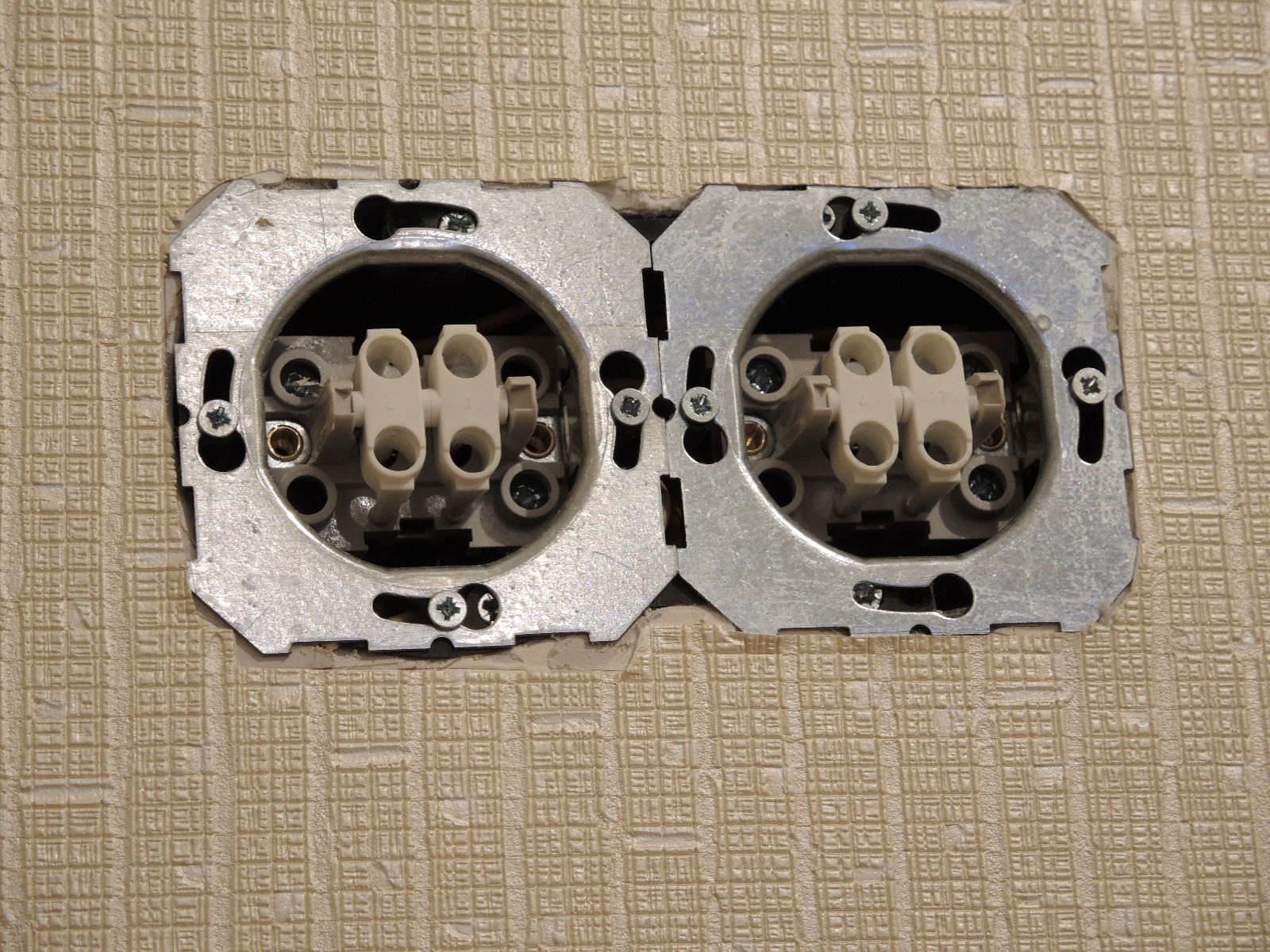
Trim the wallpaper along the edge of the frame, then secure the electrical outlet cover back in place.
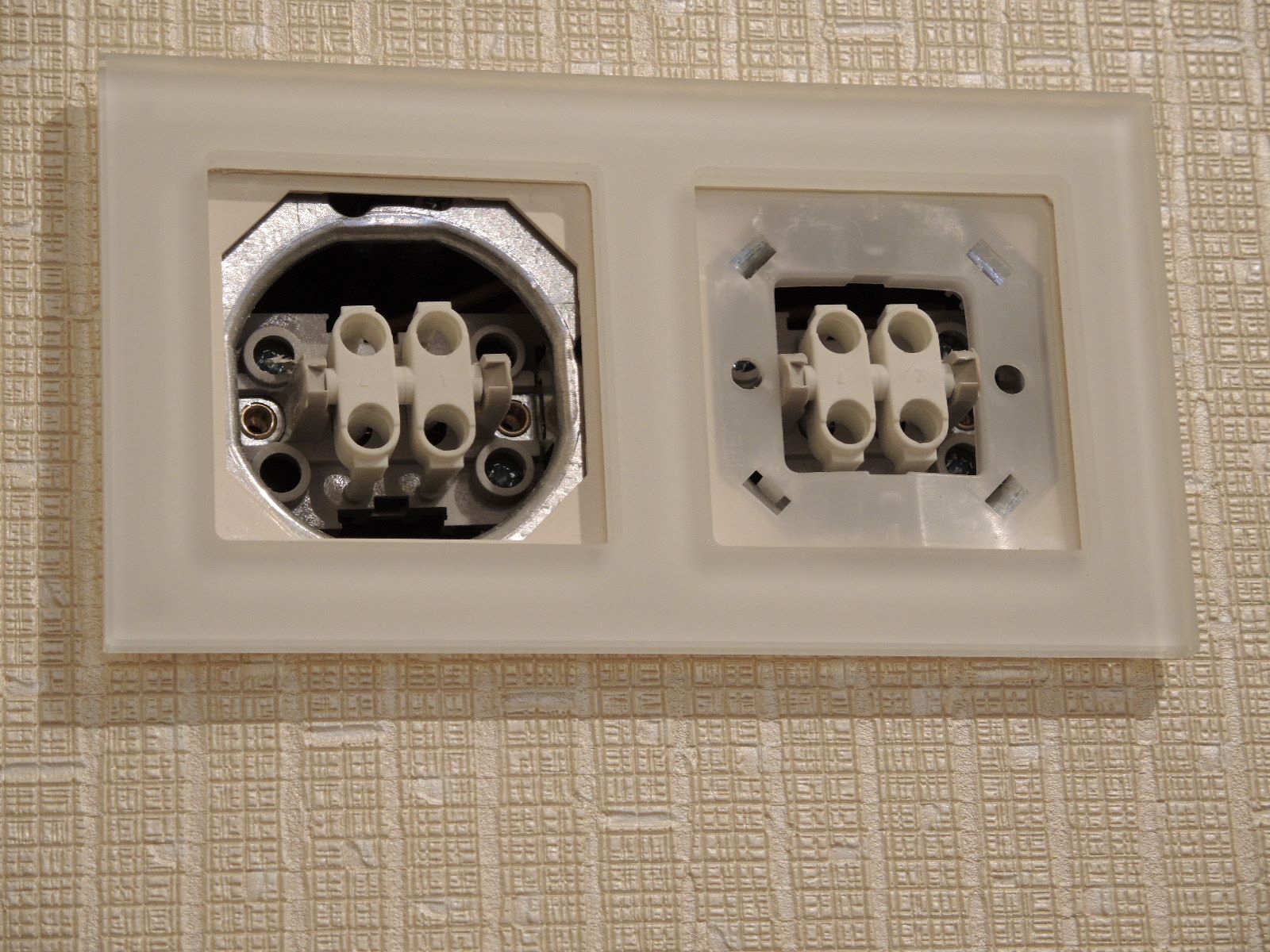
Then attach the frame.
Maintenance of non-woven wallpaper
Non-woven wallpaper is easy to clean using a soft damp sponge or cloth with a drop of liquid soap or dishwashing detergent. Additionally, since walls covered with this type of wallpaper can breathe (they are vapor-permeable), moisture buildup is reduced. This makes them suitable for use in kitchens or even bathrooms.
In conclusion, non-woven wallpaper is a practical and versatile solution for modern interiors. With proper wall preparation and correct application techniques, it ensures a smooth, durable, and high-quality finish. Its ease of installation and maintenance makes it an excellent choice for both beginners and professionals.